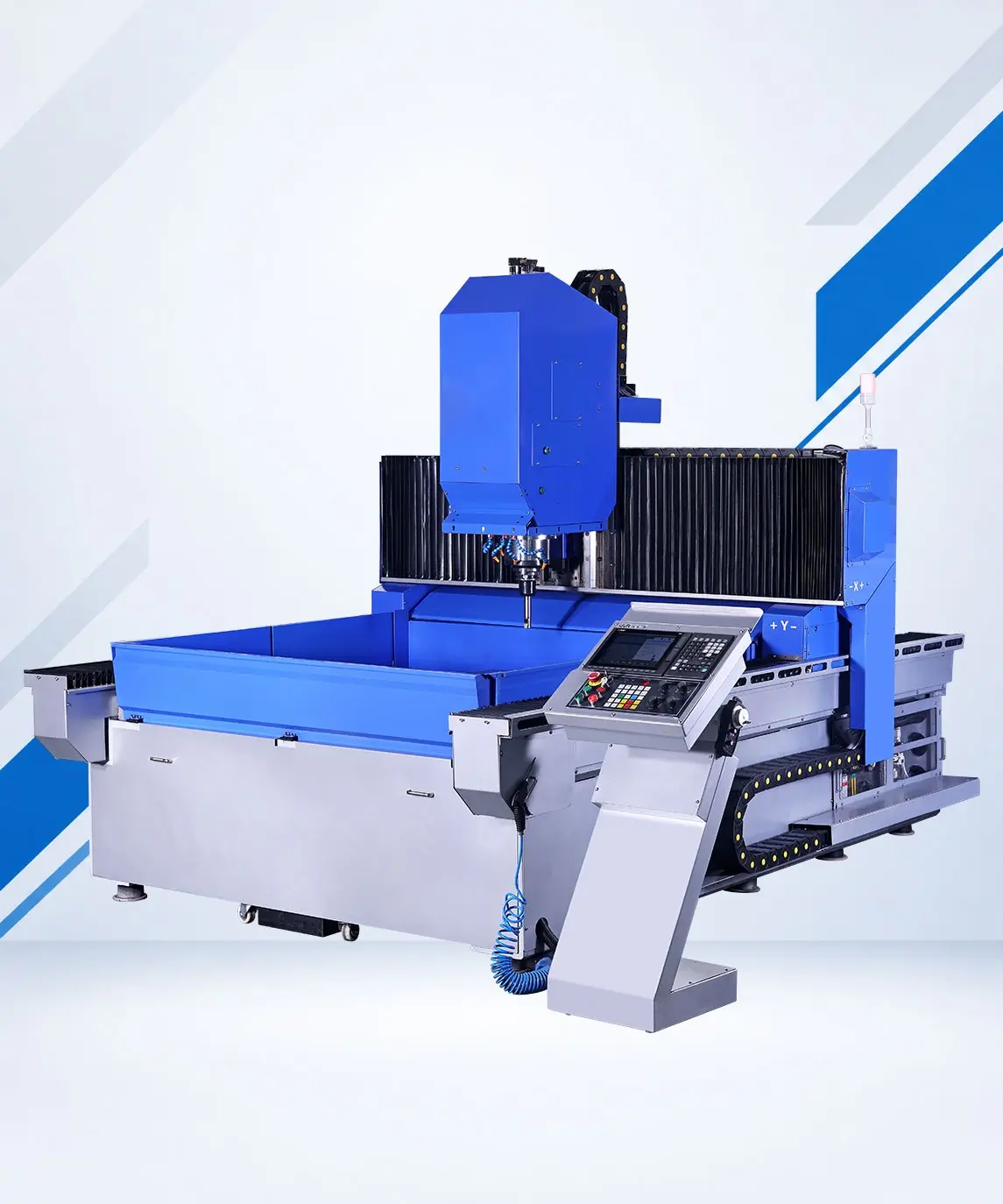
CNC Beam Drilling Machine
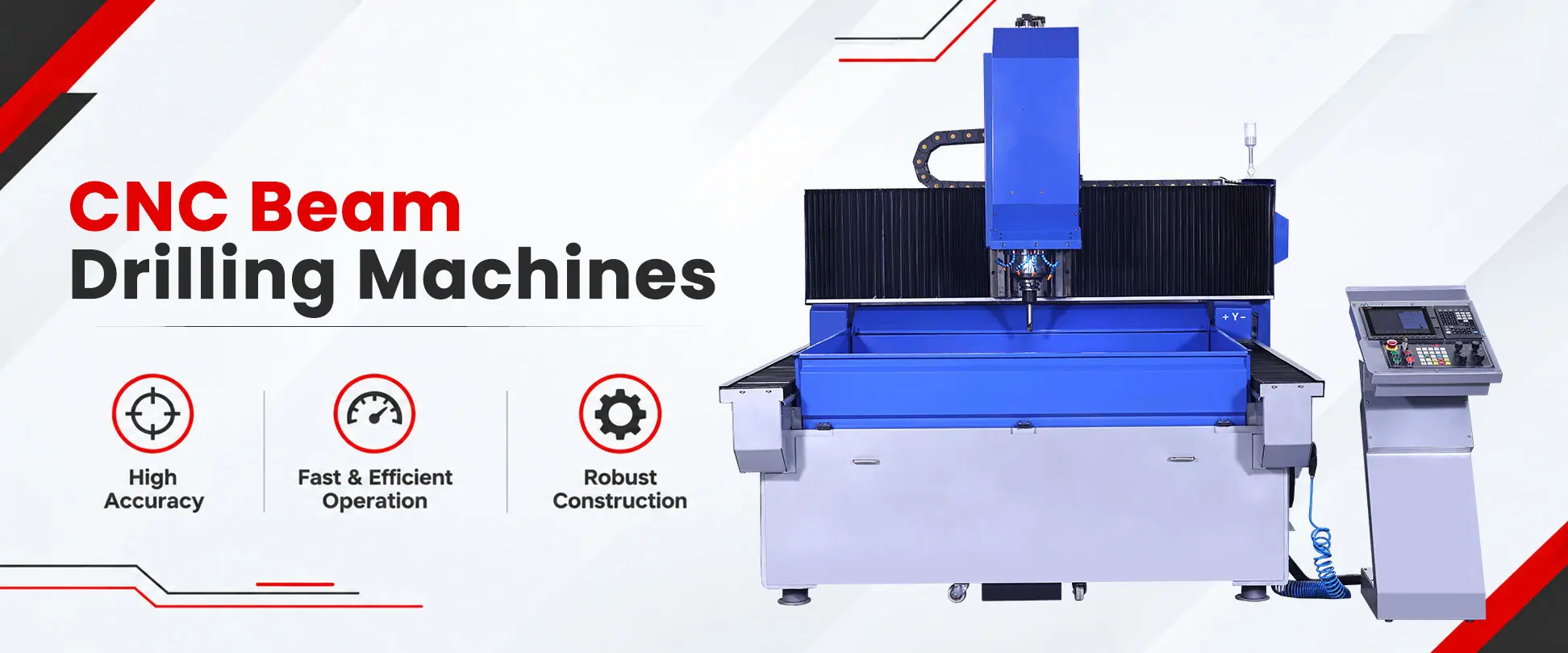
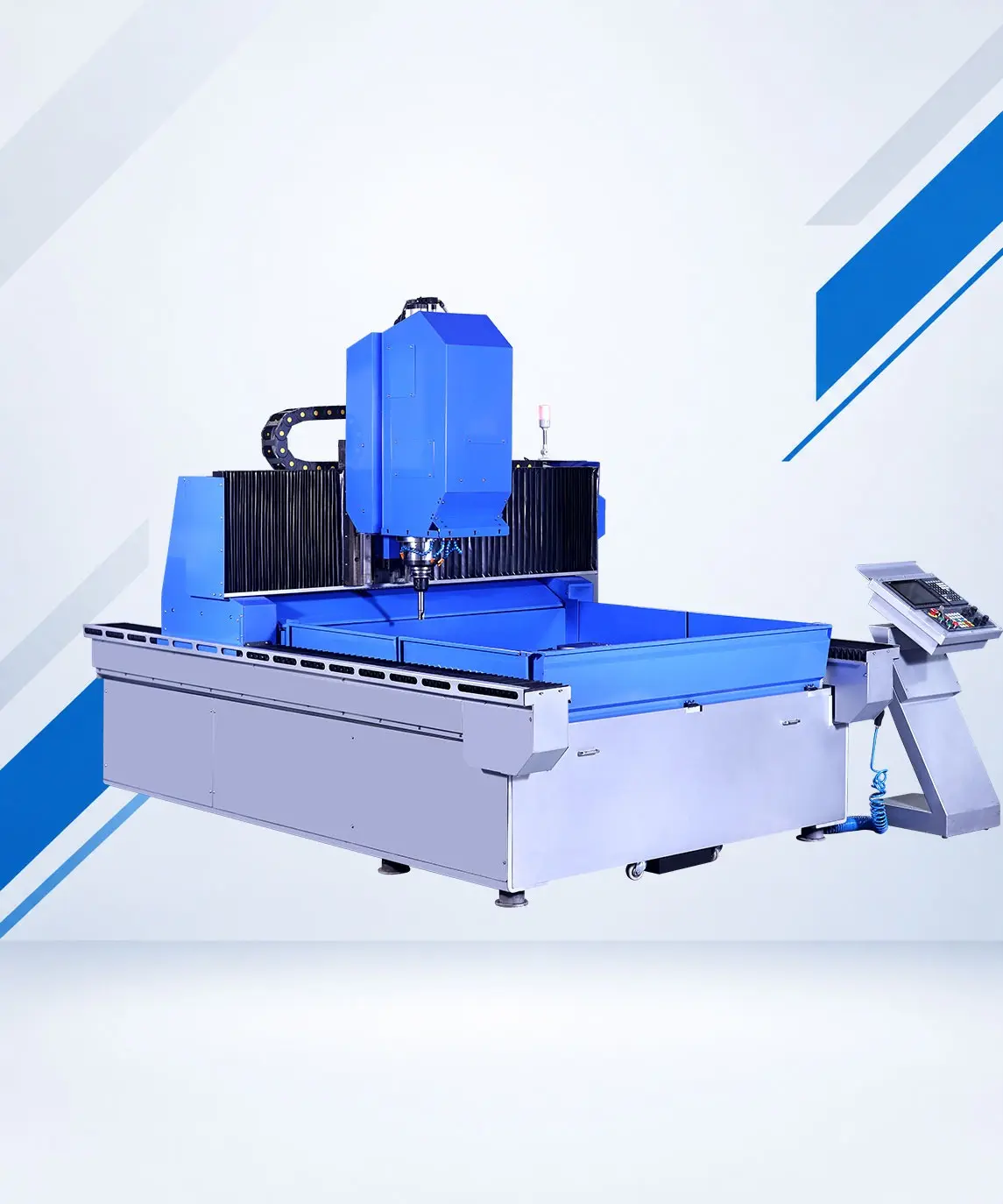
CNC Beam Drilling Machine for Structural Steel Sections
Drilling holes on a steel beam is different from drilling a flat plate — a beam has a web and two flanges, often needing holes on more than one face for the same connection point. A cnc beam drilling machine is built around this need, feeding the beam through the machine while the spindle drills at programmed positions along its length, instead of the beam being repositioned by hand for every hole. This kind of setup saves significant time on long production runs where dozens of beams need the same drilling pattern for a structural project.
AXIOS Machines brings its CNC programming background from structural steel plate processing into this category, working as a dependable cnc drill solution for fabricators handling beam-heavy projects. We’re recognised among trusted cnc beam drilling machine manufacturers in India for understanding what structural fabrication actually demands from a machine.
Models & Technical Specifications
Explore our range of CNC machines with detailed specifications, advanced features, and precision-engineered performance to find the right solution for your manufacturing needs.
| Description / Model | H1210 | H1612 | H2516 | H2520 | H3025 | H4025 |
|---|---|---|---|---|---|---|
| Table Size | 1200 x 1000 | 1600 x 1200 | 2500 x 1600 | 2500 x 2000 | 3000 x 2500 | 4000 x 2500 |
| Z - Axis Travel | 300/500 | 300/500 | 300/500 | 300/500 | 300/500 | 300/500 |
| Spindle Type | BT-40 / BT-50 | BT40 / BT-50 | BT40 / BT-50 | BT40 / BT-50 | BT-50 | BT-50 |
| Spindle Speed Range | 6000 | 6000 | 6000 | 6000 | 6000 | 6000 |
| Spindle Servo Motor Power | 7.5/11 | 7.5/11 | 7.5/11 | 7.5/11 | 11/15 | 11/15 |
| Rapid Feed (mm/min) | 10000 | 10000 | 10000 | 10000 | 10000 | 10000 |
| Positional Accuracy | ± 0.05 mm | ± 0.05 mm | ± 0.05 mm | ± 0.05 mm | ± 0.05 mm | ± 0.05 mm |
| Repeatability | ± 0.05 mm | ± 0.05 mm | ± 0.05 mm | ± 0.05 mm | ± 0.05 mm | ± 0.05 mm |
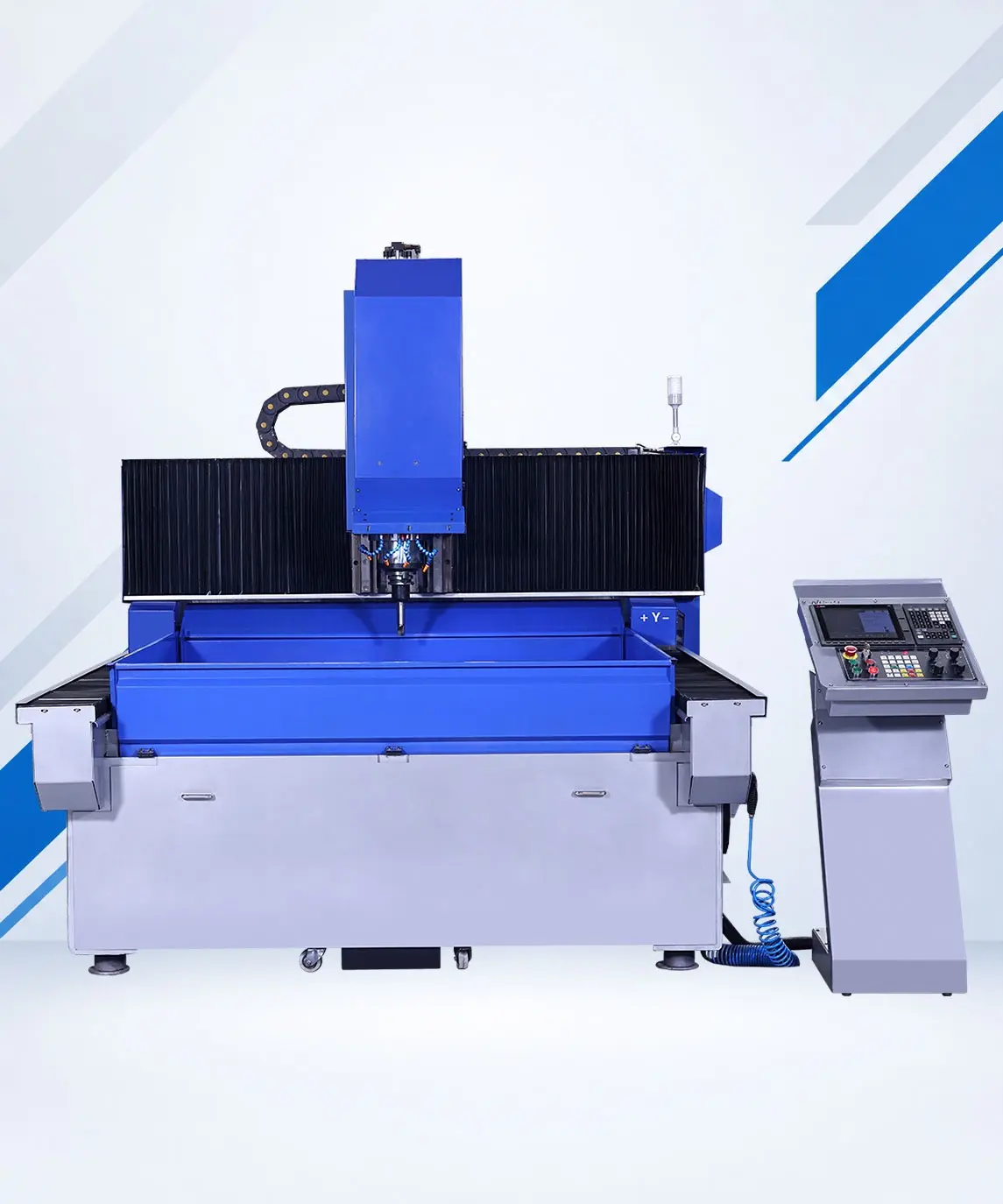
Why Structural Fabricators Look for a CNC Beam Drilling Machine
For bridge fabrication, PEB structures, and heavy steel frameworks, beams typically arrive with drawings that specify hole positions on the web and both flanges, and manually marking each one across a long beam is slow and prone to error. A CNC-controlled beam drilling setup removes that manual step, running the drilling sequence directly from the saved program for consistent results across every beam in a batch.
If your shop is planning to bring in a new cnc drilling machine specifically for beam work rather than continuing with manual layout, it’s worth evaluating how well the machine handles varying beam lengths and section sizes used in your typical projects. When comparing cnc beam drilling machine suppliers in India, ask about beam-handling capacity and after-sales support, since these directly affect how smoothly the machine fits into your existing production line.
Features & Applications Of CNC Beam Drilling Machine
- CNC-controlled drilling along beam length
- Supports drilling on web and flange faces
- Reduces manual layout and repositioning of beams
- Consistent hole patterns across long production batches
- Structural steel processing expertise from AXIOS's CNC range
- Suitable for varying beam lengths and section sizes
- Structural steel beam fabrication
- Bridge girder and truss drilling
- PEB framework beam processing
- Heavy engineering steel section drilling
- Batch drilling for repeat structural connections