
CNC Drilling Machine
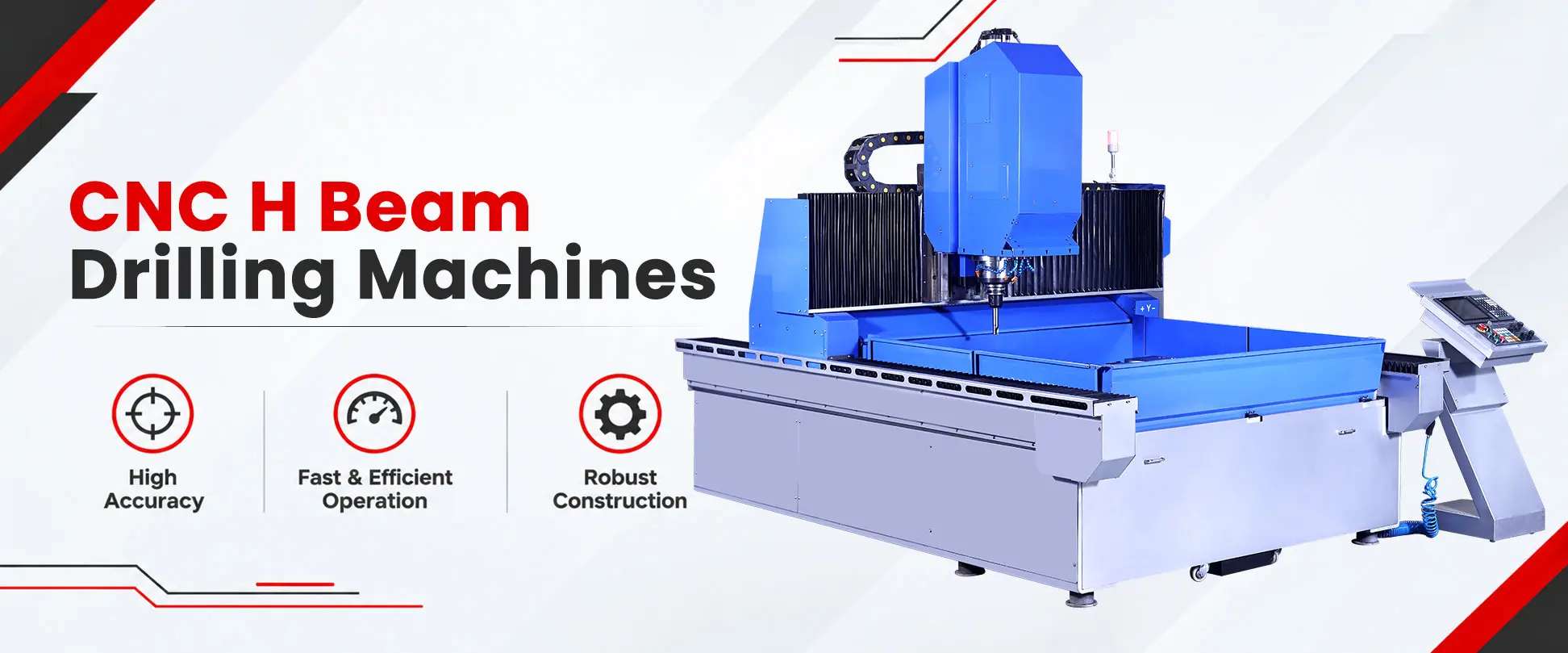
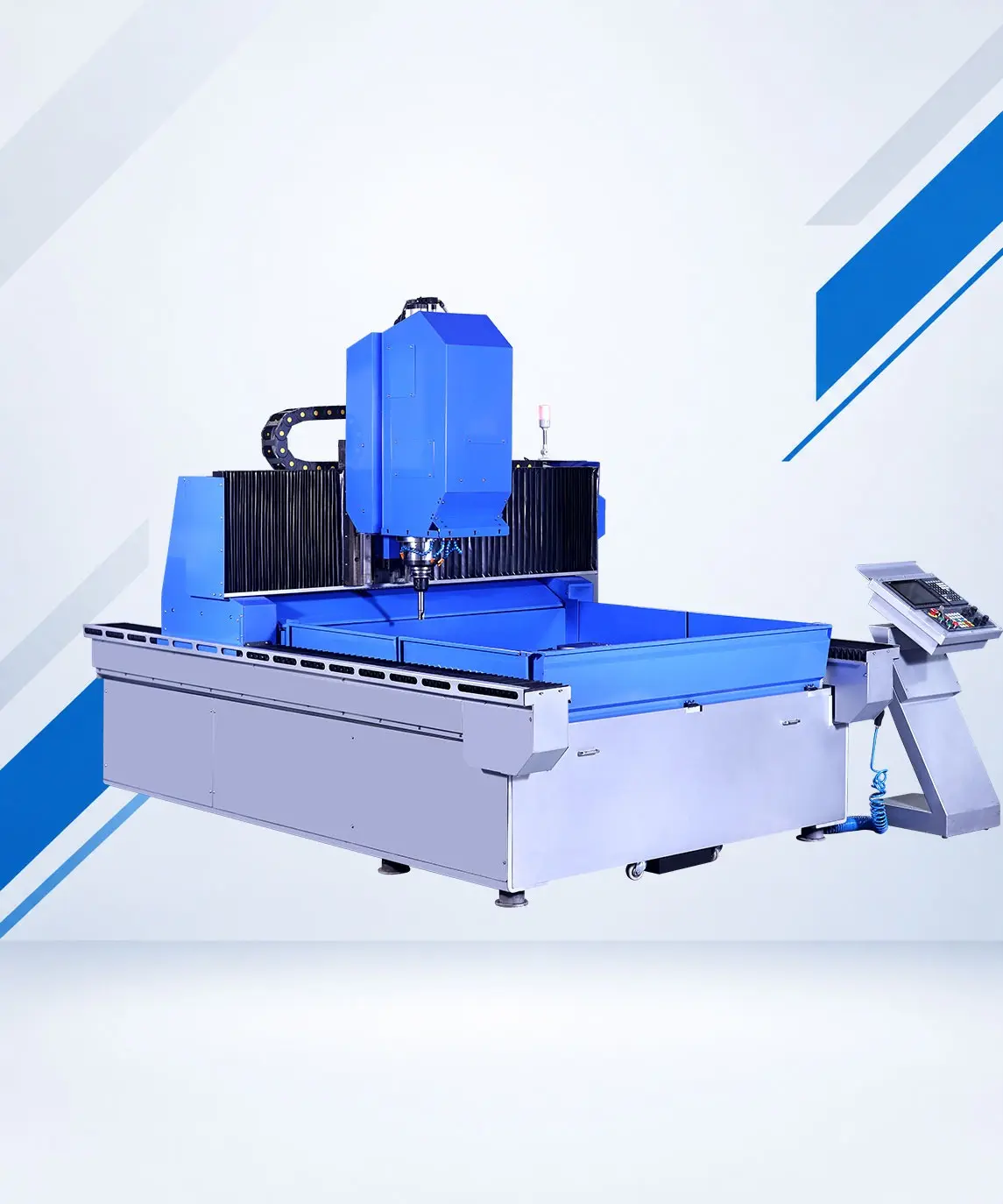
CNC H Beam Drilling Machine for Flange and Web Processing
An H-beam presents a specific challenge that flat plate drilling doesn’t — it has two flanges and a web, often needing holes on all three faces for the same structural connection. A cnc h beam drilling machine is built around this shape, feeding the beam through the machine while the spindle drills the flange and web faces at programmed positions, instead of the beam being flipped and re-clamped manually for each face. This matters most on long production runs where bridge trusses, PEB frames, or heavy structural projects need dozens of H-beams drilled with the same repeat pattern.
AXIOS Machines applies its CNC programming background from structural steel processing to this category, positioning it as a genuine cnc beam drilling machine solution for shops handling H-beam-heavy fabrication work rather than flat plates alone.
Models & Technical Specifications
Explore our range of CNC machines with detailed specifications, advanced features, and precision-engineered performance to find the right solution for your manufacturing needs.
| Description / Model | H1210 | H1612 | H2516 | H2520 | H3025 | H4025 |
|---|---|---|---|---|---|---|
| Table Size | 1200 x 1000 | 1600 x 1200 | 2500 x 1600 | 2500 x 2000 | 3000 x 2500 | 4000 x 2500 |
| Z - Axis Travel | 300/500 | 300/500 | 300/500 | 300/500 | 300/500 | 300/500 |
| Spindle Type | BT-40 / BT-50 | BT40 / BT-50 | BT40 / BT-50 | BT40 / BT-50 | BT-50 | BT-50 |
| Spindle Speed Range | 6000 | 6000 | 6000 | 6000 | 6000 | 6000 |
| Spindle Servo Motor Power | 7.5/11 | 7.5/11 | 7.5/11 | 7.5/11 | 11/15 | 11/15 |
| Rapid Feed (mm/min) | 10000 | 10000 | 10000 | 10000 | 10000 | 10000 |
| Positional Accuracy | ± 0.05 mm | ± 0.05 mm | ± 0.05 mm | ± 0.05 mm | ± 0.05 mm | ± 0.05 mm |
| Repeatability | ± 0.05 mm | ± 0.05 mm | ± 0.05 mm | ± 0.05 mm | ± 0.05 mm | ± 0.05 mm |
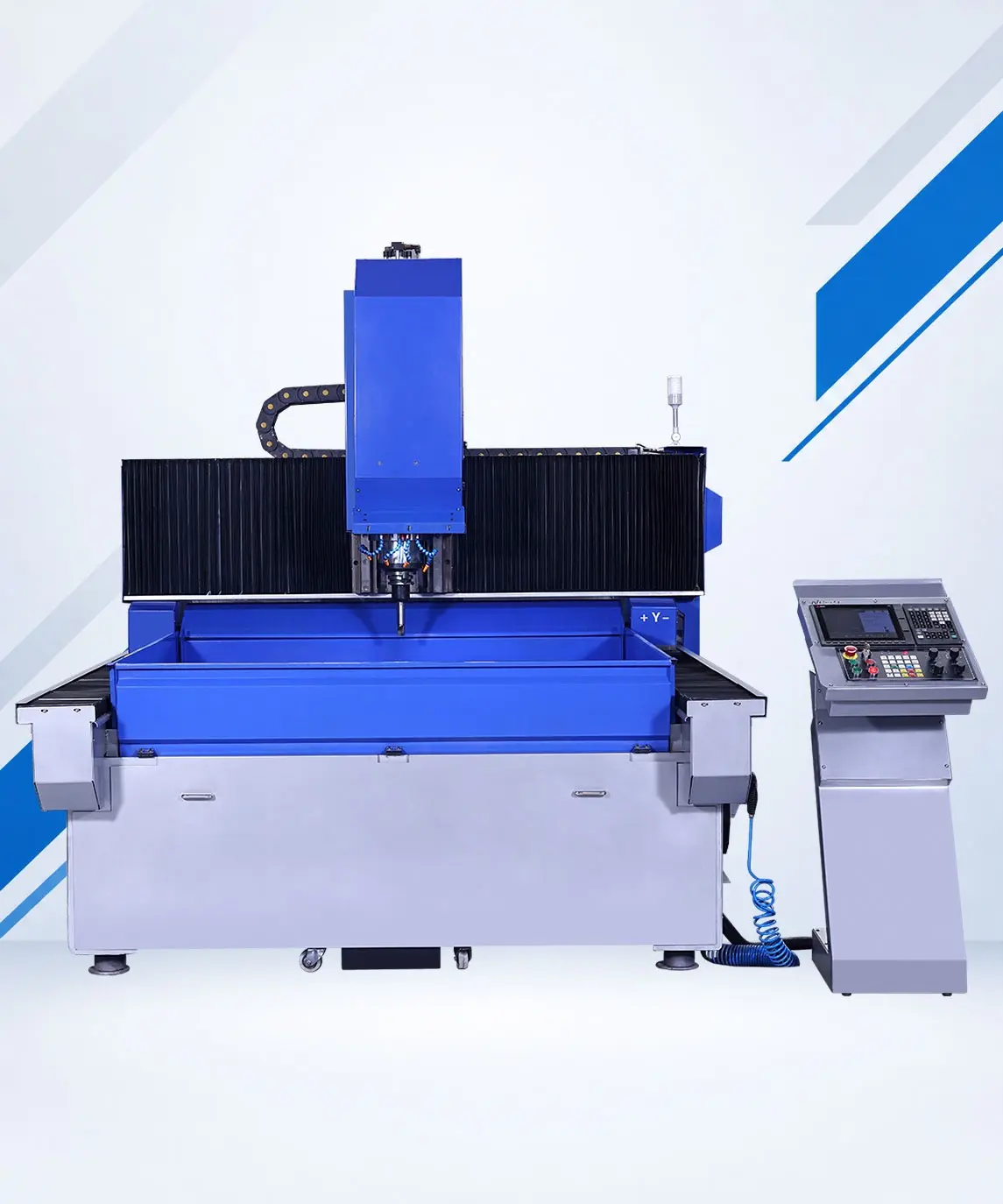
Get High-Speed CNC H Beam Drilling Machine
Coping — cutting the flange ends of an H-beam to fit against another structural member — is often needed alongside drilling on the same beam, and doing these as two separate manual processes slows down a project considerably. An H-beam coping and drilling machine combines both operations so the beam moves through one continuous setup rather than being handled twice. This kind of automated H-beam flange and web drilling removes a large share of the manual layout work that typically causes delays and hole-position errors on long beams.
When comparing cnc h beam drilling machine suppliers in India, ask specifically whether their machine handles both flange faces and the web in one pass, since not every setup on the market covers all three faces without repositioning.
Features & Applications Of CNC H Beam Drilling Machine
- CNC-controlled drilling across flange and web faces
- Supports coping operations alongside drilling
- Reduces manual flipping and re-clamping of beams
- Consistent hole patterns across long production batches
- Built on AXIOS's structural steel CNC programming background
- Suitable for bridge, PEB, and heavy structural H-beam projects
- Bridge truss and girder H-beam processing
- PEB framework H-beam fabrication
- Heavy structural steel H-beam connections
- Batch drilling for repeat H-beam patterns
- Combined coping and drilling workflows
Frequently Asked Questions
An H-beam has two parallel flanges joined by a web, forming that H-shaped cross-section, and a cnc h beam drilling machine has to drill accurately into both the flanges and the web without anyone repositioning the beam by hand between faces. That multi-face requirement is really what sets H-beam drilling apart from flat plate drilling, where the machine only ever works on one surface.
H-beams tend to have wider, thicker flanges than I-beams, which run narrower and lighter for a given depth. A CNC drilling machine built for H-beams needs enough clearance and spindle reach to manage that wider flange, so it’s worth confirming with the manufacturer that the machine you’re eyeing is actually rated for your H-beam sizes rather than assuming an I-beam-rated machine handles it the same way.
A properly built setup should drill both flange faces and the web without the beam needing to be manually flipped or re-clamped, which is the main advantage over doing this work on a standard drilling machine.
Quite often, yes. Many machines built for H-beam drilling can process I-beams and channels too, since the underlying drilling mechanism doesn’t change much across these structural shapes. That said, the exact range of section sizes and profiles a specific machine handles depends on its drilling head configuration, so it’s worth checking this against your typical mix of structural sections.
Beyond the control system, confirm the maximum flange width and web height the machine can take, how many faces it drills without manual repositioning, and the maximum beam length it supports. Real specification sheets from the manufacturer, and watching the machine handle a beam close to your actual size if you can, go a long way toward confirming it’ll genuinely meet your production needs.
Pricing depends heavily on the maximum beam size handled, the number of drilling heads, the control system, and whether it’s PLC-based or full CNC, so there’s no fixed figure that covers the whole category. Requesting quotations from a few manufacturers based on your actual H-beam sizes and expected production volume beats relying on a rough guess.
Routine maintenance typically means checking alignment across the multiple drilling heads, lubricating the beam handling and positioning mechanisms, and inspecting the control system periodically, on top of the standard upkeep any CNC machine tool needs. This can shift between manufacturers, so it’s worth reviewing what’s specified for the exact machine under consideration early on.